Honey
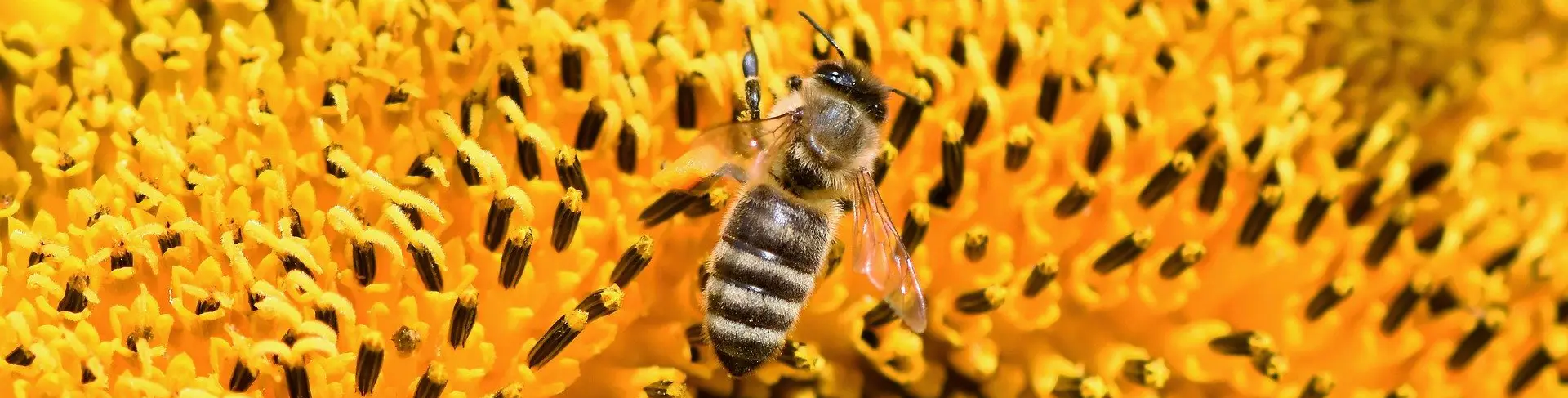
In the pastures and forests, bees look for nectar and honeydew. They collect them in their honey stomach and bring them to the hive, where worker bees carefully store them and ripen them. Since the worker bees perfectly manage the entire process, the beekeeper is not actively involved in honey-making at this point. However, quality honey can only be made with regular and proper care for bees throughout the year, with accurate preparation and maintenance of beekeeping equipment, as well as a precise extraction process. We strive to care for bees responsibly throughout all seasons. "We love bees" is the motto that drives our work as beekeepers. We follow these simple beekeeping rules and are pleased to offer you honey made by the Cvet beekeeping family.
Beeswax
Beeswax is excreted by worker bees during periods of rich pollen and, especially, nectar flow. A rich food supply is a precondition for the bee colony to expand, so worker bees excrete larger amounts of beeswax and start building honeycombs.
Beeswax is a very versatile bee product. In the past it was mostly used for lighting, embalming, bandages, seals and painting. Today it is often found in ointments, soaps, perfumes, make-up and more.
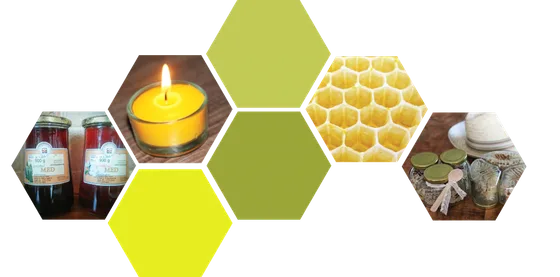
Cvet offers you candles made from natural beeswax. The gentle light and pleasant aroma of the beeswax fill any space with intimacy. Do not hesitate to contact us — we take individual orders.
Comb honey
Honeycombs are the first honey pots — the vessel where bees store honey. We like to call it the best natural sweetener in its original packaging. Comb honey is covered with beeswax, keeping the authentic scent of pastures and forest.